
Synthetic Versus Conventional Oil Changes Compared
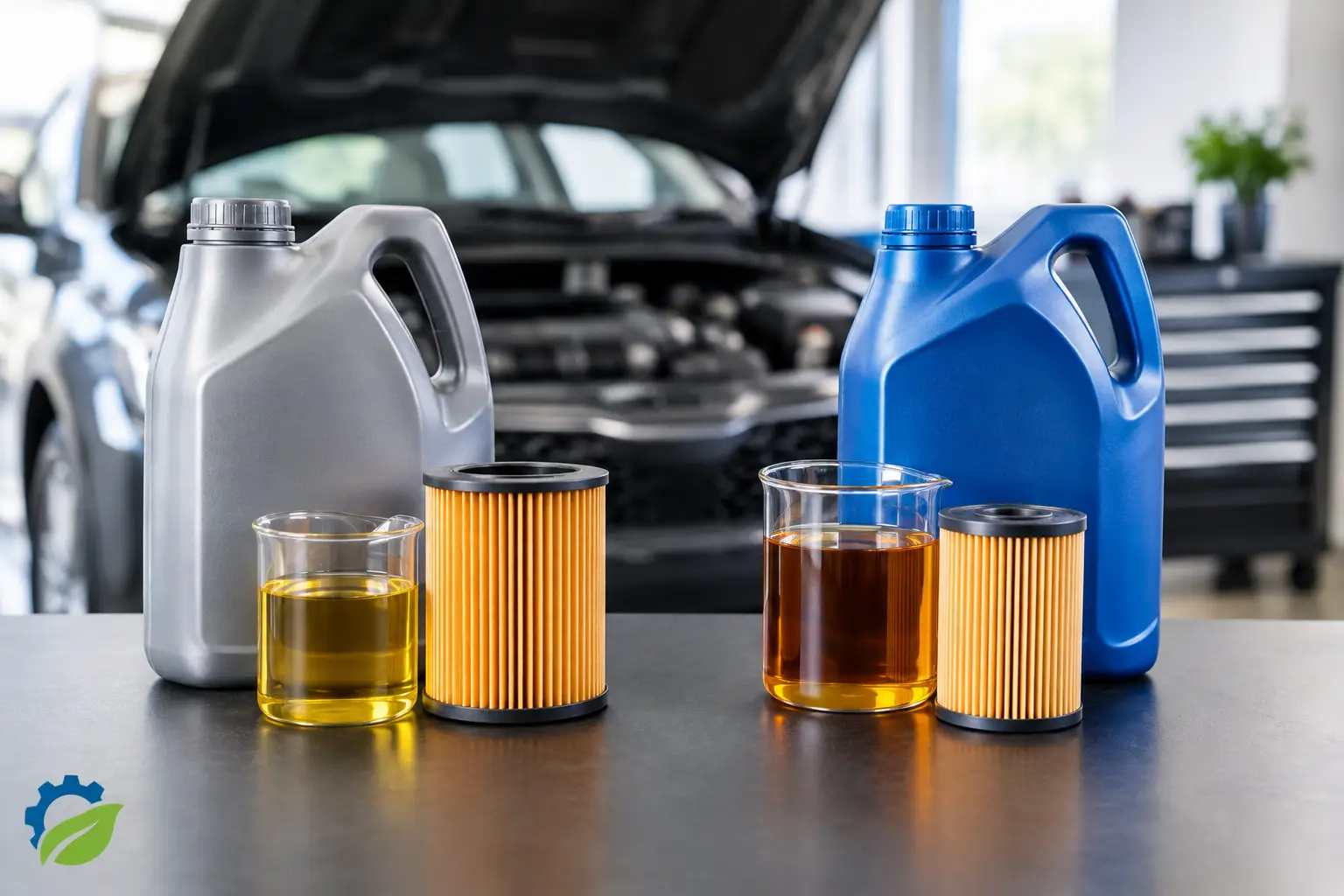
A $20 difference at an oil-change counter can feel minor until it repeats over years of ownership. That is why synthetic versus conventional oil changes is not just a question of price. The right answer depends on your engine’s requirements, how you drive, your climate, and whether you are trying to minimize today’s bill or protect long-term vehicle value.
For most newer vehicles, the owner’s manual settles much of the debate. If the manufacturer specifies full synthetic oil, use full synthetic oil in the required viscosity and specification. If it permits conventional oil, the decision comes down to operating conditions and service habits rather than marketing claims.
Synthetic Versus Conventional Oil Changes: The Real Difference
Conventional motor oil is refined from crude oil. It meets industry standards and can protect many engines effectively when it is the correct grade and changed on schedule. It remains a practical option for some older vehicles, lower-mileage drivers, and engines specifically designed to use it.
Full synthetic oil is engineered for more consistent molecular structure and performance. That consistency generally helps it resist breakdown under high heat, flow better in cold temperatures, and control deposits over longer service intervals. Modern engines often place more demand on oil through turbocharging, direct injection, tight internal tolerances, start-stop systems, and higher operating temperatures. Synthetic oil is designed to handle those conditions with a wider margin of protection.
The label matters, but the specification matters more. An oil should match the viscosity listed in the manual, such as 0W-20 or 5W-30, and meet the required standards or manufacturer approvals. Using a premium synthetic oil with the wrong viscosity or missing approval is not an upgrade.
What synthetic oil does better
Synthetic oil usually performs better at temperature extremes. On a cold morning, it circulates quickly after startup, when engine wear can be more likely. During hot weather, long highway runs, towing, or stop-and-go traffic, it is generally more resistant to thinning and oxidation.
It also tends to maintain cleanliness more effectively. Over time, heat and combustion byproducts can create sludge and deposits. Good conventional oil controls these contaminants, but synthetics commonly retain their protective properties longer under demanding use.
That does not mean synthetic oil makes an engine maintenance-free. Oil still collects contaminants, filters still load up, and oil level still needs monitoring. A longer-lasting oil does not erase the need for a proper service interval.
Where conventional oil still makes sense
Conventional oil is not automatically inferior for every vehicle. It can be a sensible choice when the manual allows it, the vehicle has a simple naturally aspirated engine, annual mileage is low, and oil changes happen consistently at conservative intervals.
For example, a lightly used older sedan that receives regular 3,000- to 5,000-mile changes may see little practical benefit from paying extra for full synthetic. The calculation changes if that same car faces very cold winters, summer heat, frequent short trips, or extended drain intervals.
High-mileage oils are another category worth understanding. They may be conventional, synthetic blend, or full synthetic. Their additives can help condition aging seals and manage consumption in some engines, but they cannot repair mechanical wear or solve a major leak.
Follow the Manual Before the Oil Bottle
Your owner’s manual provides three details that should guide every oil change: oil viscosity, performance specification, and service interval. The oil cap may show the viscosity, but it usually does not provide the full approval requirement.
Many late-model vehicles require oils meeting standards from organizations such as API or ILSAC, or a manufacturer-specific approval. European brands, turbocharged engines, diesel engines, and certain high-performance models can be especially particular. The required approval is often printed on the bottle, though wording varies by brand.
If your manual says full synthetic is required, treat that as a baseline. If it lists synthetic oil for severe service, be honest about how the vehicle is used. Severe service does not mean abusive driving. It often includes short trips, extensive idling, stop-and-go traffic, dusty roads, towing, extreme temperatures, and repeated low-speed operation.
A vehicle that travels two miles to work twice a day may qualify as severe use because the engine may not reach and maintain full operating temperature. Moisture and fuel dilution can remain in the oil longer than they would during regular highway driving.
Cost Per Change Is Not Cost Per Mile
A conventional oil change often costs less upfront. Full synthetic usually costs more because of the oil itself and, sometimes, the service package. Looking only at the invoice can make conventional oil appear like the obvious value.
The more useful comparison is cost per mile and cost per year. If synthetic oil is approved for a longer interval and you actually follow that interval without exceeding the manufacturer limit, fewer services may narrow the price gap. A driver covering 15,000 miles per year may value the reduced service frequency more than a driver who puts 4,000 miles on a vehicle annually.
Do not extend an oil-change interval simply because synthetic oil is in the crankcase. Follow the vehicle’s oil-life monitor or the manual’s mileage and time limits. Oil ages even when a car is parked, and a vehicle driven rarely may still need an annual oil change.
There is also a practical ownership cost: missed maintenance. Choosing a shorter, cheaper interval only saves money if you keep the appointments. For busy owners, a manufacturer-approved synthetic oil and a documented maintenance schedule can be easier to manage consistently.
When Synthetic Oil Is Usually Worth It
Full synthetic is usually the stronger choice for vehicles that require it and for drivers whose operating conditions are tough. Turbocharged engines, frequent towing, high-performance driving, extreme heat or cold, and heavy urban traffic all place greater stress on motor oil.
It can also be worthwhile for owners keeping a vehicle for the long term. Cleaner operation and stronger resistance to breakdown can support engine protection over years of use. That benefit is not a guarantee against mechanical failure, but it is a sensible part of a disciplined maintenance plan.
Synthetic oil is particularly useful when a manufacturer specifies low-viscosity oil. Grades such as 0W-16, 0W-20, and 0W-30 are common in modern engines designed around fuel efficiency and fast oil flow. These formulations are often synthetic or synthetic-heavy by design.
For an older engine that has always used conventional oil, switching to synthetic is generally safe if the correct grade and specification are used. Synthetic oil does not cause leaks. However, it can clean away deposits that were masking hardened seals or existing gasket problems, making a preexisting issue easier to notice.
Avoid These Oil-Change Mistakes
The biggest mistake is treating every oil as interchangeable. Viscosity, approvals, and interval requirements exist for a reason. A quick-lube recommendation should never override the vehicle manufacturer’s stated requirements.
Another common mistake is changing oil based only on a fixed mileage rule. The old 3,000-mile standard remains useful for some severe-duty situations and older vehicles, but it is unnecessarily frequent for many modern cars using approved synthetic oil. Conversely, waiting for an optimistic mileage number can be risky when a vehicle makes short trips, burns oil, or tows regularly.
Check the oil level between services, especially on older vehicles, high-mileage engines, and some turbocharged models. An oil change does not protect an engine if the oil level falls below the safe range halfway through the interval. Check on level ground after the engine has been off long enough for oil to settle, following the procedure in the manual.
Keep a record of each service with the date, mileage, oil grade, oil brand or specification, and filter used. This is where a simple maintenance log earns its value. It helps you spot oil consumption, verify intervals, support warranty claims, and provide useful history when selling the vehicle.
Choose Oil Based on Use, Not Assumptions
If your manual requires full synthetic, the choice is straightforward. If both oil types are permitted, conventional oil can work for light-duty use and shorter intervals, while synthetic provides greater flexibility and protection under demanding conditions.
The best oil-change decision is the one you can document and repeat: correct oil, correct filter, correct interval, and regular level checks. Your engine will not care about the label on the service receipt. It will respond to the oil specification and maintenance discipline behind it.